
Tag: Welsh chapel history
-
William Williams Pantycelyn (1717–1791), The Voice of the Welsh Revival and the Making of a Singing Nation
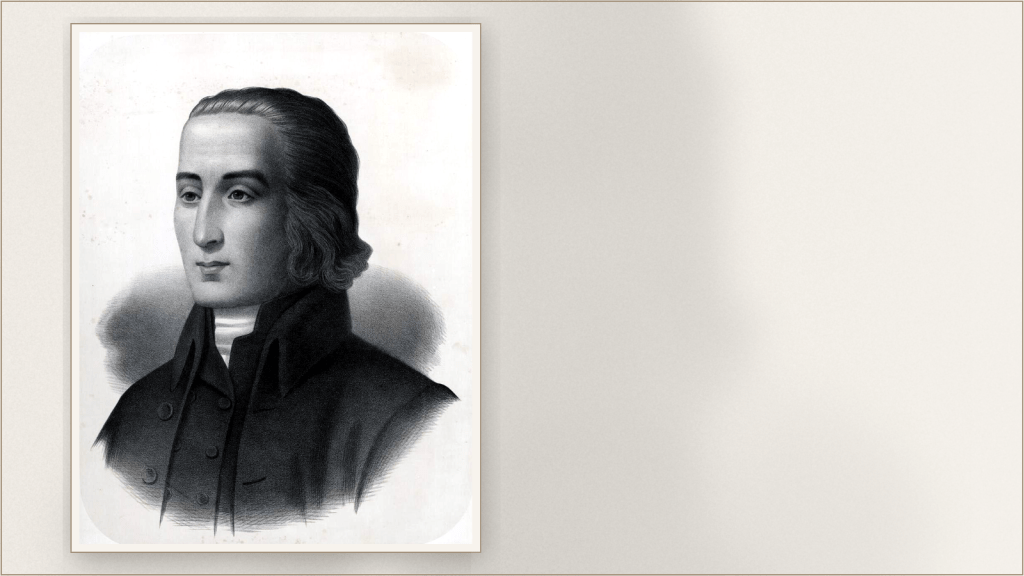
In my earlier essays on Daniel Rowland, the great evangelist of the Welsh Methodist Revival, and Howell Harris, the organiser and engine who turned revival into a disciplined movement, I explored two forms of power that shaped modern Wales. The first was the power of the pulpit, preaching as national event, the sermon as moral…
Antony David Davies
18th century Wales, bible, Calvinistic Methodists, Carmarthenshire, Chapel culture, christianity, congregational singing, Daniel Rowland, evangelical revival, faith, History, Howell Harris, jesus, Llandovery, Llangeitho, Methodist Revival, Nonconformist Wales, Pantycelyn, revival hymns, Sunday schools, Trefeca, Welsh Calvinistic Methodism, Welsh chapel history, Welsh culture and identity, Welsh devotional literature, Welsh evangelicalism, Welsh hymnody, Welsh hymns, Welsh language, Welsh literature, Welsh Methodist Revival, Welsh national identity, Welsh Nonconformity, Welsh poets, Welsh preaching, Welsh religious history, Welsh singing tradition, Welsh Social History, Welsh spirituality, William Williams, William Williams Pantycelyn -
Howell Harris (1714–1773), The Engine of the Welsh Revival and the Birth of an Evangelical Wales
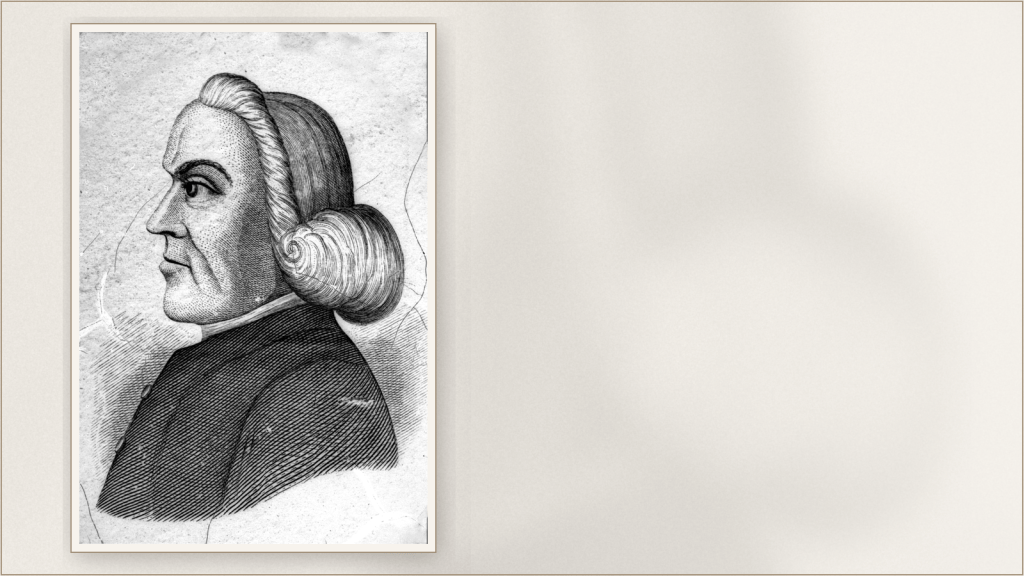
This article follows my recent study of Daniel Rowland (1713–1790), the great evangelist of the Welsh Methodist Revival and one of the defining architects of modern Welsh Nonconformity. If Rowland represents the revival at its most visible, the pulpit phenomenon, the national preacher, the man whose sermons drew thousands, then Howell Harris must be understood…
Antony David Davies
18th century Wales, bible, Brecknockshire, Breconshire, Calvinistic Methodists, chapel societies, christianity, church, Church of England in Wales, Daniel Rowland, evangelical revival, History, Howell Harris, jesus, lay preaching, Llangeitho, Methodist Revival, Nonconformist Wales, religious societies, revival preaching, Sunday School Movement, Talgarth, Trefeca, Welsh Calvinistic Methodism, Welsh chapel history, Welsh culture and identity, Welsh evangelicalism, Welsh hymnody, Welsh language and religion, Welsh Methodist Revival, Welsh moral culture, Welsh Nonconformity, Welsh preaching, Welsh Protestantism, Welsh religious history, Welsh Social History, Welsh spirituality, William Williams Pantycelyn -
John Davies of Erglodd (1821–1887): “Apostol y Plant” and the Quiet Power of Faithful Service
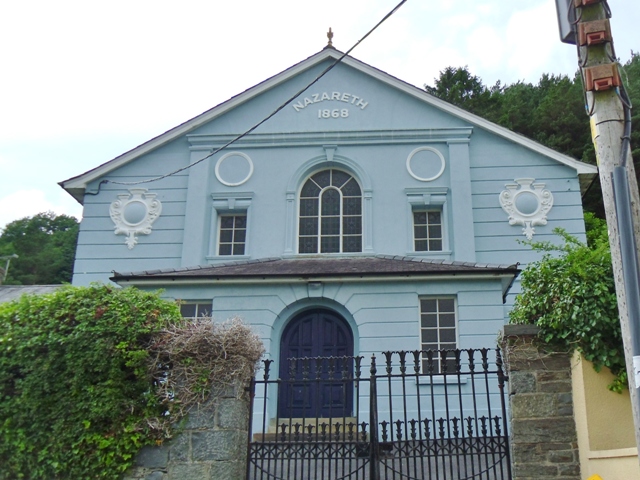
In the upland heart of north Cardiganshire, where the hills of Taliesin and Talybont cradle the Dyfi valley, the life of John Davies of Erglodd stands as a shining example of rural Welsh piety, service, and enduring influence. Known in his lifetime as “Apostol y Plant” – the Children’s Apostle – he was celebrated for…
Antony David Davies
19th-century-wales, Aberystwyth Board of Guardians, Antony David Davies, Apostol y Plant, Calvinistic Methodism, Cardiganshire history, christianity, Dyfi Valley, Erglodd, faith, family history, Genealogy, Good Templars Wales, History, John Davies, Llanwrin, rural Welsh history, Sunday School Movement, Taliesin, Talybont, Welsh chapel history, Welsh farming history, Welsh genealogy, Welsh Nonconformity, Welsh religious leaders
