
Tag: Chapel culture
-
Voices from the Uplands, why I wrote it, and why it matters now
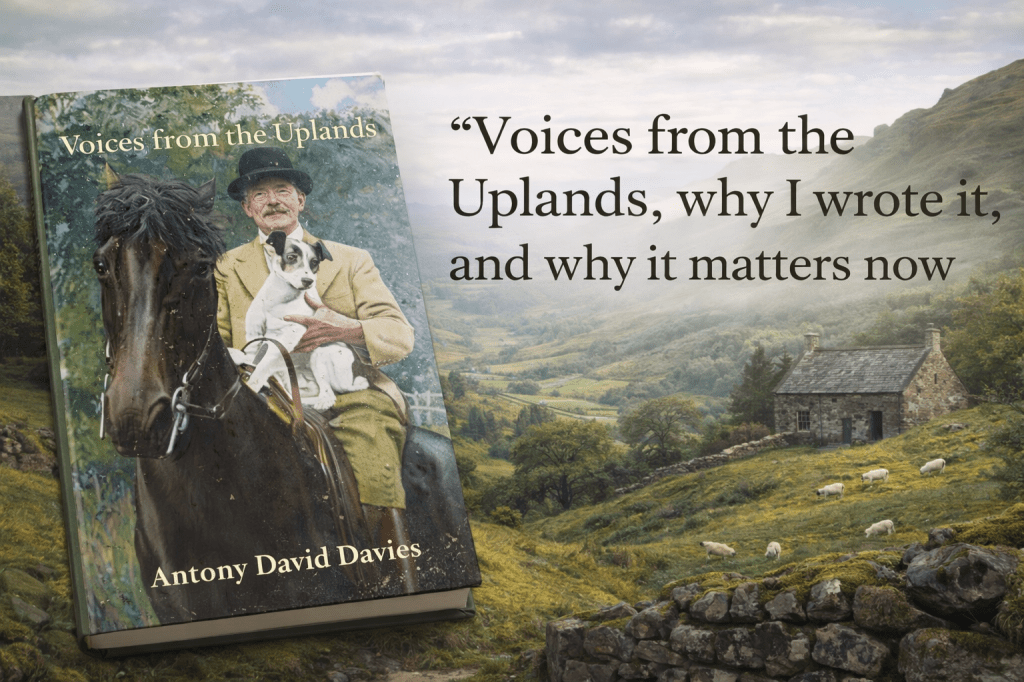
Voices from the Uplands: The Davies Family and the Soul of Rural Wales is, in the simplest sense, a book about my own ancestors, the Davies family of Caeadda, Llanwrin. But I did not write it to produce another neatly ordered pedigree, nor to add one more family tree to the growing pile of genealogical summaries…
Antony David Davies
agricultural history, book-review, books, Chapel culture, Community history, Cultural heritage, diaries, domestic archives, Family archives, family history, Genealogy, Heritage preservation, Historical memory, History, letters, Llanwrin, Local history, Machynlleth, Microhistory, Montgomeryshire, Nonconformity, Oral history, photographs, Powys, Public history, Rural Wales, Social history, Wales, wales rural life, Welsh Chapels, welsh farming, Welsh history, Welsh identity, Welsh language, Welsh uplands -
The Treachery of 1847: How the “Blue Books” Colonised the Welsh Mind
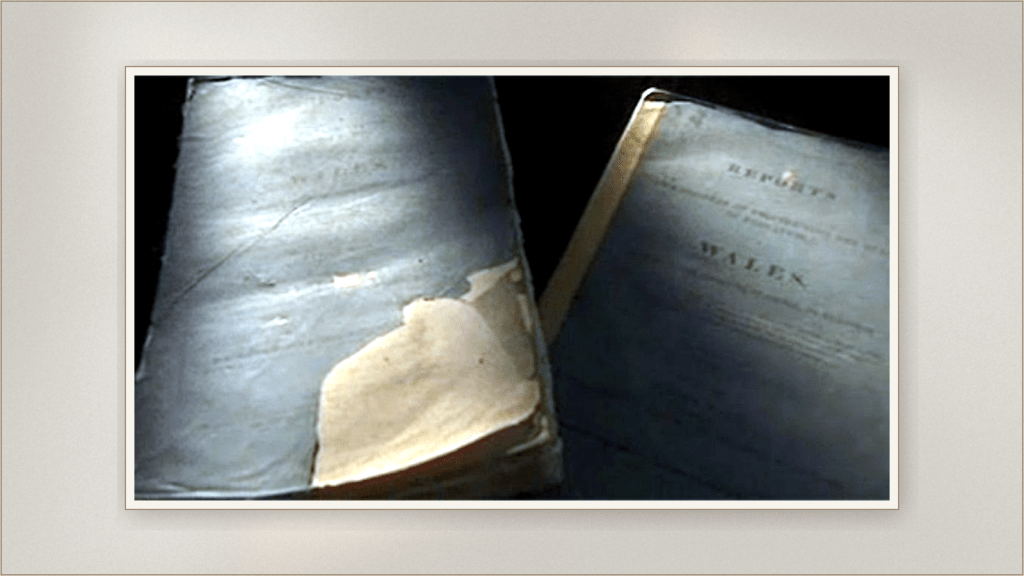
In 1847 three substantial parliamentary reports were laid before Westminster under the unromantic title Reports of the Commissioners of Inquiry into the State of Education in Wales. Their blue covers gave them their enduring popular name, the “Blue Books”, and their conclusions, or at least the spirit in which those conclusions were delivered, detonated across…
Antony David Davies
19th-century-wales, anglicisation, Blue Books 1847, books, Brad y Llyfrau Gleision, British state and Wales, Chapel culture, class and respectability, cultural assimilation, cultural colonisation, cultural trauma, Cymraeg, education, education in Wales, gender and nationhood, heritage and identity, Historical memory, History, history of Wales, industrial Wales, internalised oppression, language shift, language suppression, Nonconformity, parliamentary inquiry, Politics, politics of language, postcolonial Wales, psychological colonisation, Rebecca Riots, Reports of the Commissioners of Inquiry 1847, Rural Wales, social reform, Victorian morality, victorian-wales, Wales and England relations, Welsh Chapels, Welsh culture, Welsh devolution context, Welsh education history, Welsh history, Welsh identity, Welsh language, Welsh nationalism, Welsh women, writing -
William Williams Pantycelyn (1717–1791), The Voice of the Welsh Revival and the Making of a Singing Nation
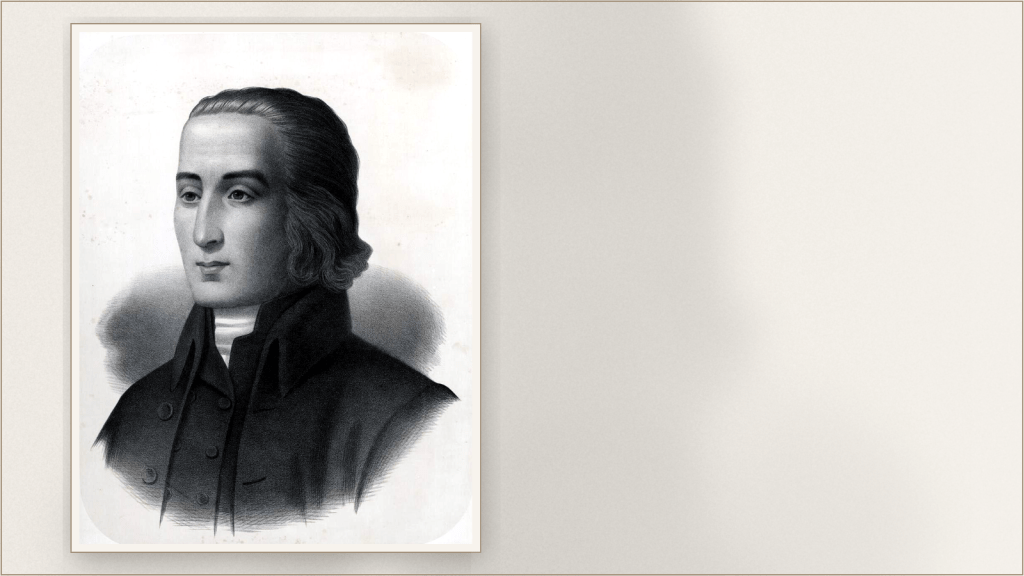
In my earlier essays on Daniel Rowland, the great evangelist of the Welsh Methodist Revival, and Howell Harris, the organiser and engine who turned revival into a disciplined movement, I explored two forms of power that shaped modern Wales. The first was the power of the pulpit, preaching as national event, the sermon as moral…
Antony David Davies
18th century Wales, bible, Calvinistic Methodists, Carmarthenshire, Chapel culture, christianity, congregational singing, Daniel Rowland, evangelical revival, faith, History, Howell Harris, jesus, Llandovery, Llangeitho, Methodist Revival, Nonconformist Wales, Pantycelyn, revival hymns, Sunday schools, Trefeca, Welsh Calvinistic Methodism, Welsh chapel history, Welsh culture and identity, Welsh devotional literature, Welsh evangelicalism, Welsh hymnody, Welsh hymns, Welsh language, Welsh literature, Welsh Methodist Revival, Welsh national identity, Welsh Nonconformity, Welsh poets, Welsh preaching, Welsh religious history, Welsh singing tradition, Welsh Social History, Welsh spirituality, William Williams, William Williams Pantycelyn -
My Political Heritage, Wales in My Blood, and the Quiet Lessons of Ancestry
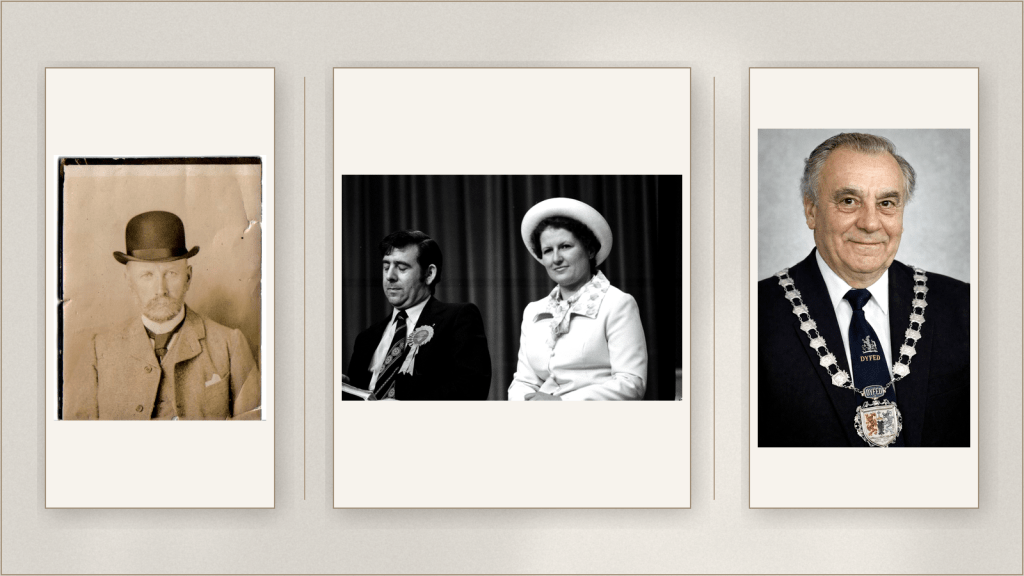
Most people assume that political identity is something acquired, a set of opinions formed by the news cycle, public argument, and the shifting pressures of the present. In Wales, that assumption seldom survives contact with history. Welsh political culture was not born yesterday. Nor did it begin with devolution, or with the institutions of modern…
Antony David Davies
books, Chapel culture, Civic life, County councils, Cymru Fydd, Devolution, Dyfi Valley, england, family history, Genealogy, History, Liberal Party, Llanwrin, llyfnant-valley, Machynlleth, Merionethshire, Montgomeryshire, Nonconformity, Parish councils, Plaid Cymru, Political heritage, Political history, Rural Wales, Wales, Welsh history, Welsh identity, Welsh language, Welsh nationalism, Welsh politics