
Category: Politics
-
David Davies, 1st Baron Davies of Llandinam (1880–1944)
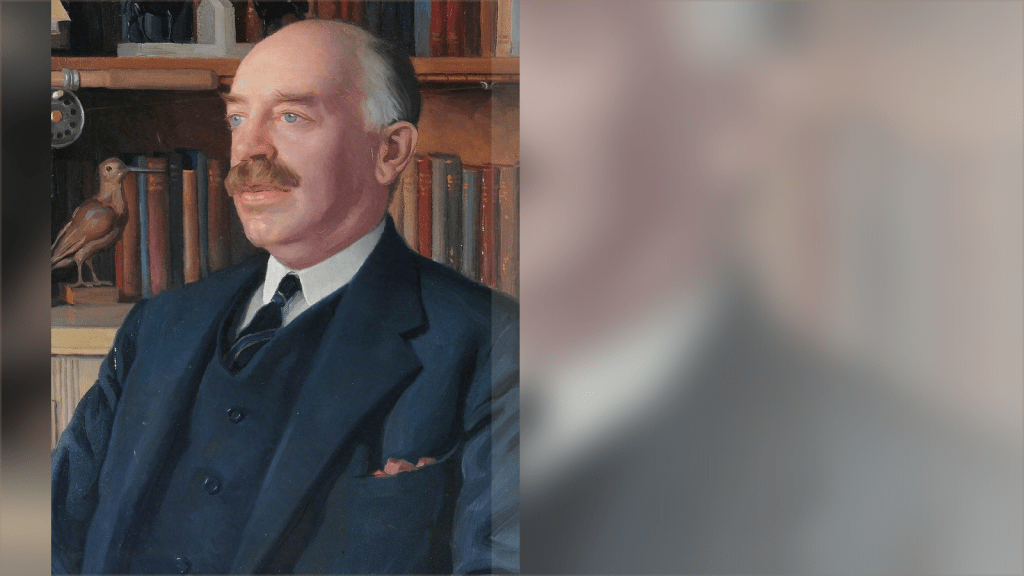
The Inheritance of Duty and the Pursuit of Peace Few figures in modern Welsh public life better illustrate the moral tension between inherited wealth and public obligation than David Davies, 1st Baron Davies of Llandinam. Born into one of the most powerful industrial families in Wales, he belonged to a generation that inherited the material…
-
Arthur Charles Humphreys-Owen (1836–1905): A Liberal Landowner in a Changing Wales
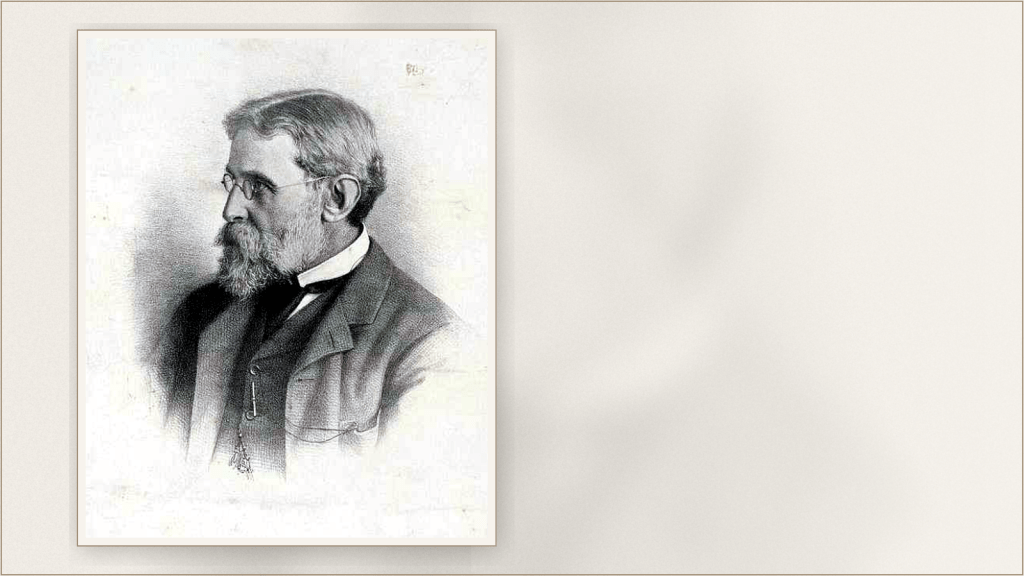
In the political and civic history of Montgomeryshire during the nineteenth century, Arthur Charles Humphreys-Owen stands as a representative figure of a transitional generation. Born into the professional middle ranks of respectable society, but elevated through inheritance into the county gentry, Humphreys-Owen embodied the gradual adaptation of the landed class to the expanding civic and…
-
Emlyn Hooson (1925–2012)
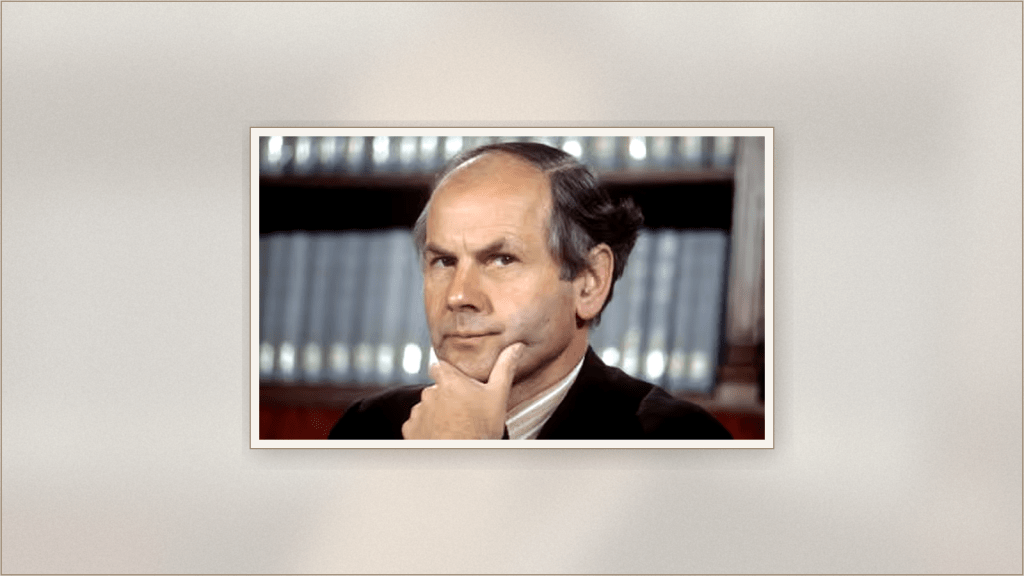
The Barrister Who Carried Welsh Liberalism Through Its Leanest Years In the long aftermath of Lloyd George, Welsh Liberalism did not collapse in a single dramatic moment. Rather, it diminished gradually, election by election, chapel by chapel, until it seemed less a living political force than a surviving memory. Emlyn Hooson matters because he refused…
-
Clement Davies (1884-1962)
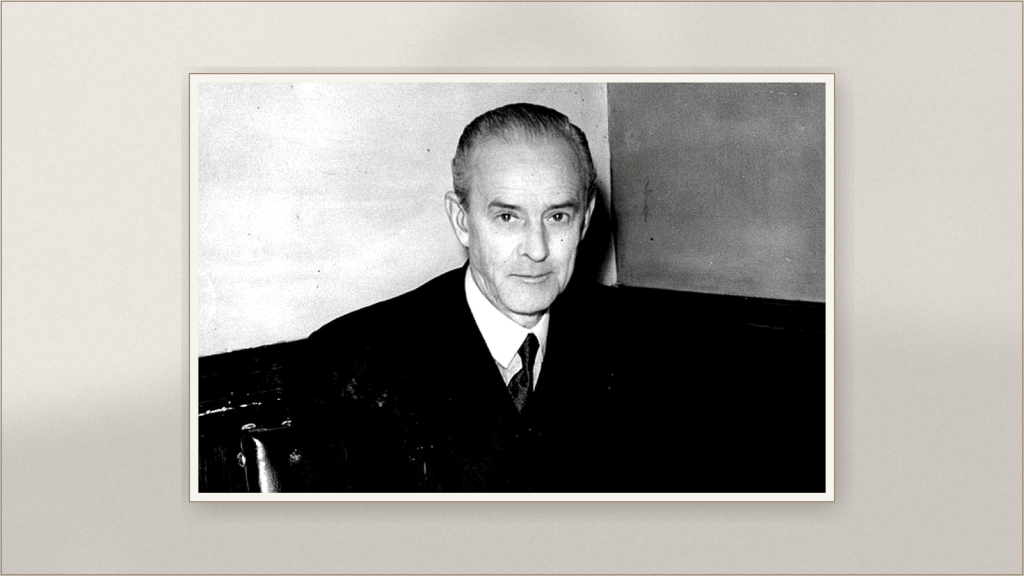
Montgomeryshire’s Last Liberal Statesman In the political history of rural Wales, certain figures stand not merely as representatives of constituencies, but as embodiments of an older political culture. Clement Edward Davies, born on 14 February 1884 and died on 23 July 1962, belongs unmistakably to that tradition. Lawyer, parliamentarian, wartime critic, and ultimately leader of…
-
David Gibson-Watt (1918-2002) of Doldowlod Hall
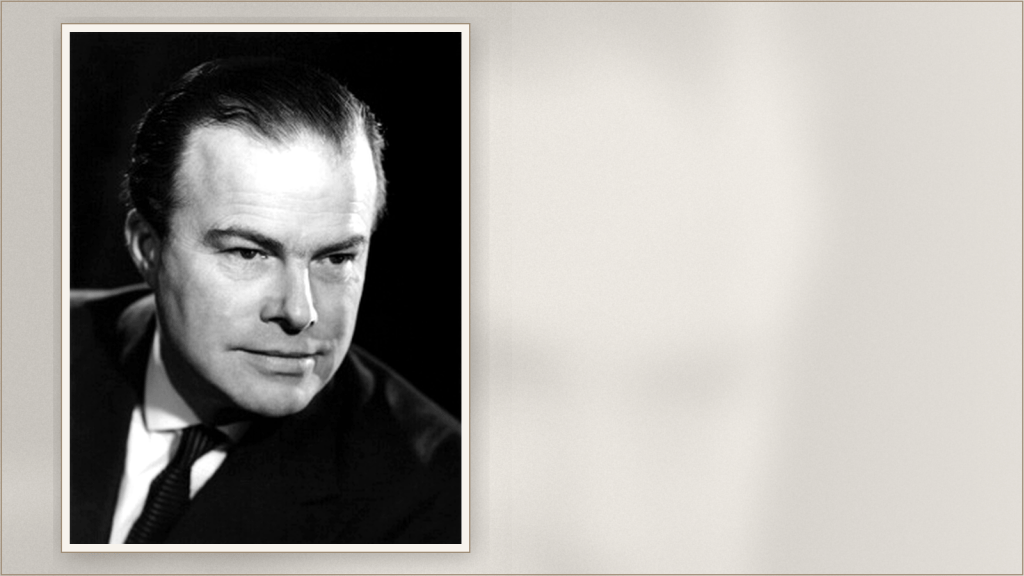
Land, Service, Unionism, and the Passing of a Governing Tradition in Mid-Wales James David Gibson-Watt, later Baron Gibson-Watt, occupies a distinctive place in the political and social history of twentieth-century Wales. He was not merely a Conservative politician associated with Radnorshire, but a representative of a governing culture rooted in landownership, military service, and paternalistic…
-
The Election That Broke an Inheritance
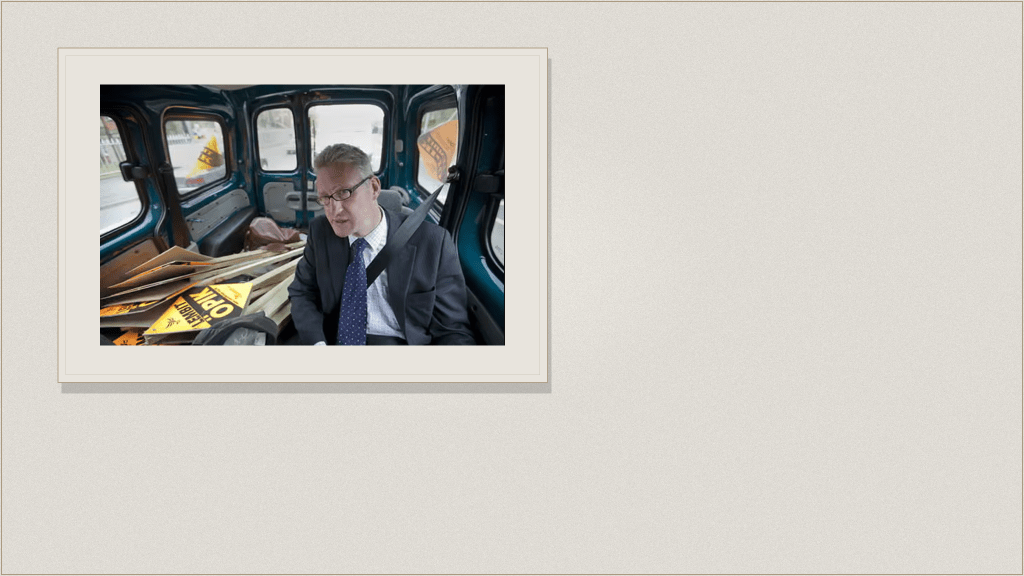
Why Montgomeryshire in 2010 Was So Corrosive for Liberal Wales Since publishing my earlier essay on the decline of Liberalism in Wales, I have been asked how one election result in one rural constituency could prove so damaging for an entire political tradition. (source 1) The answer is that Montgomeryshire in 2010 was never merely…
-
The Decline of Liberalism in Wales, and the Fracturing of Its Inheritance
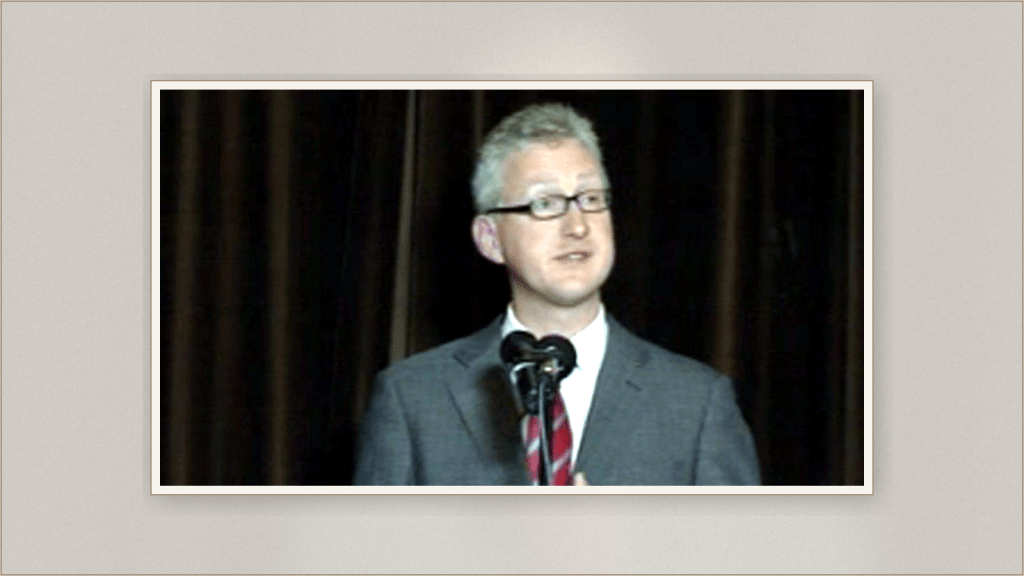
For more than a century, Liberalism in Wales was not merely a party label, it was the organising language of public life. It fused chapel morality, civic ambition, land reform, and a distinctly Welsh insistence on dignity into a durable political culture. (source 1) (source 2). Its decline, therefore, is not simply an electoral story,…
-
Brexit and the Broken Thread of Trust: Why Britain is Stuck in a Loop of Instability
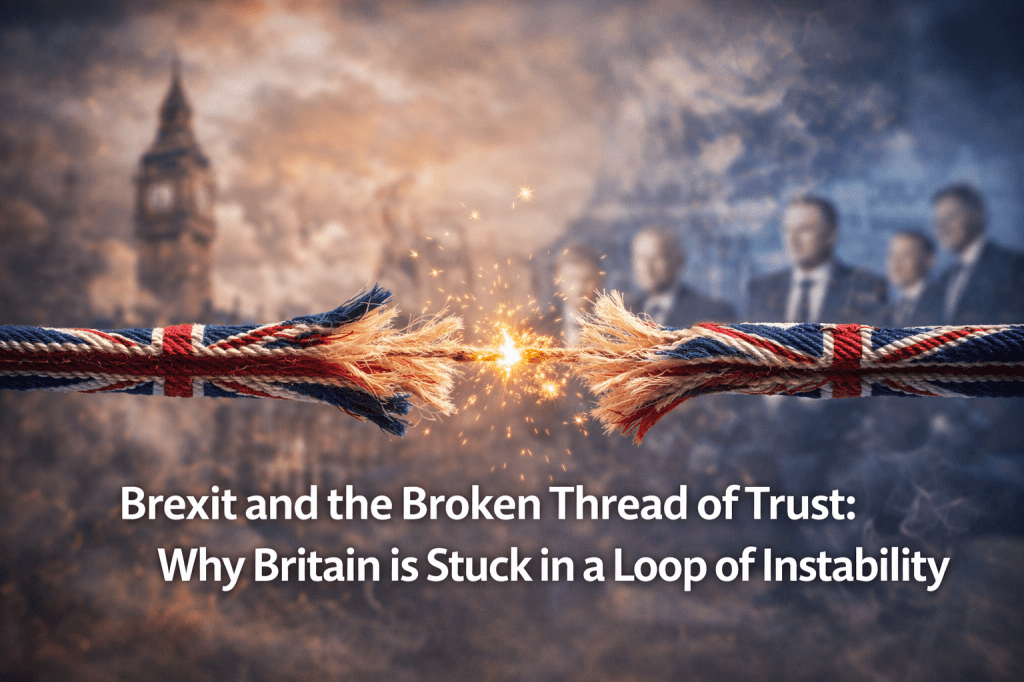
Brexit, whatever your vote, did real damage to trust. Not simply because it divided the country, but because it exposed something more corrosive than disagreement, a political system that struggled to hear its own people, then proved unable to manage the consequences of the decision it had itself offered. Millions felt unheard before the referendum,…
-
Why Reform UK Will Never Understand Wales
Wales is not a branch office of Westminster politics. It is a nation with its own civic memory, its own institutional landscape, and its own lived experience of what happens when power is exercised at a distance. Reform UK’s problem is not simply that it is provocative, plenty of parties have been provocative, it is…
-
Nigel Farage, the politics of the headline, and the art of moving on
Nigel Farage’s most reliable talent is not governing, nor even organising, it is sensing the national temperature and turning it into a slogan before anyone else. He is a political mood-board, not a builder. He does not cultivate institutions, he cultivates moments. He does not carry arguments through to delivery, he carries them to the…
 Antony David Davies FRSA FRAS AFRHistS FIoL MCMI