-
Arthur Charles Humphreys-Owen (1836–1905): A Liberal Landowner in a Changing Wales
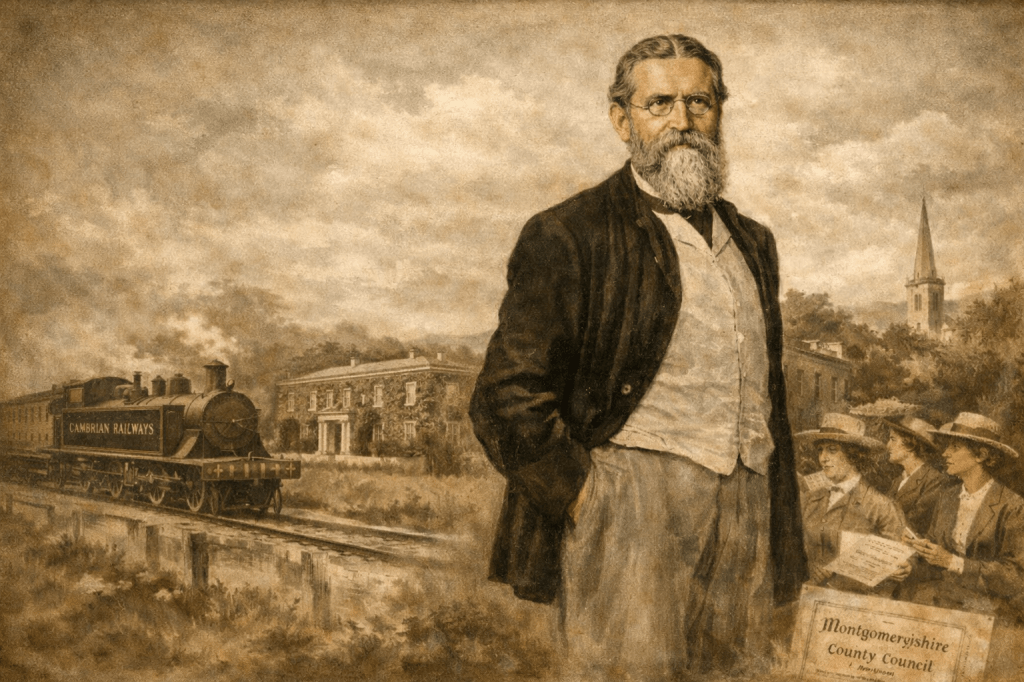
In the political and civic history of Montgomeryshire during the late nineteenth century, Arthur Charles Humphreys‑Owen stands as a representative figure of a transitional generation. Born into the professional middle ranks of Victorian society but elevated through inheritance into the ranks of the county gentry, Humphreys-Owen embodied the gradual adaptation of the traditional landowning class…
-
Ann Griffiths (1776–1805): The Mystic Voice of Welsh Methodism
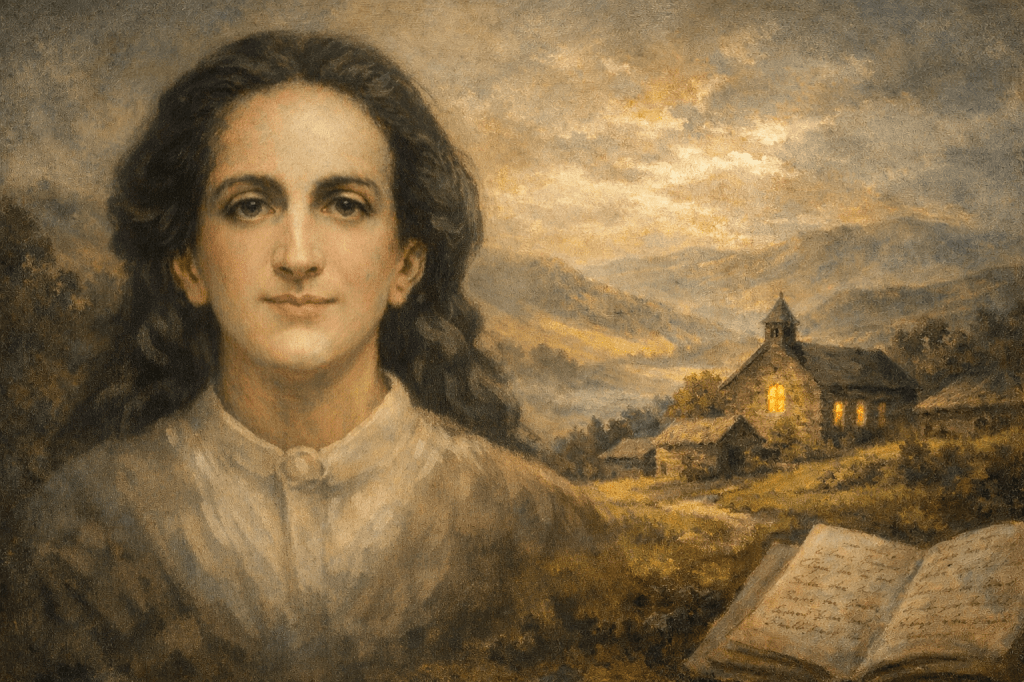
Within the religious and cultural history of Wales, few figures possess the quiet yet enduring authority of Ann Griffiths, the celebrated hymn writer of Montgomeryshire. Though her life was tragically short, ending at the age of only twenty-nine, her influence on Welsh Nonconformist spirituality has been profound and lasting. In an era when women rarely…
-
Thomas Charles of Bala (1755–1814): Scripture, Education, and the Institutionalisation of the Welsh Revival
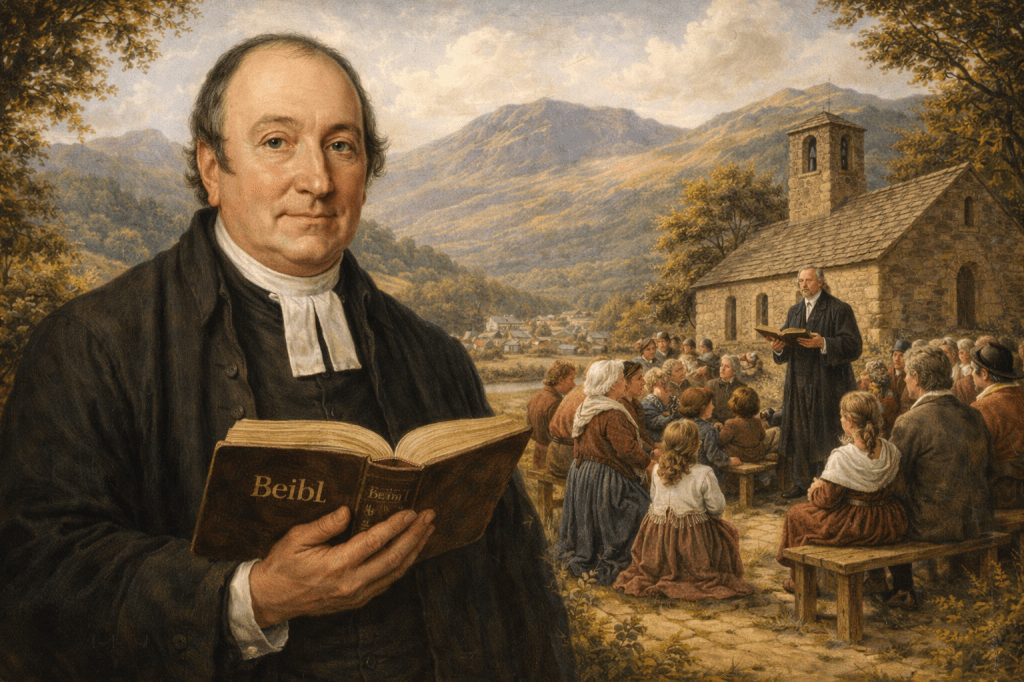
Among the architects of modern Welsh religious culture, few figures exercised an influence comparable to Thomas Charles of Bala. A Calvinistic Methodist minister, educational reformer, and promoter of biblical literacy, Charles played a decisive role in transforming the evangelical revival of eighteenth-century Wales into the structured Nonconformist culture that would dominate Welsh society throughout the…
-
Emlyn Hooson (1925–2012)
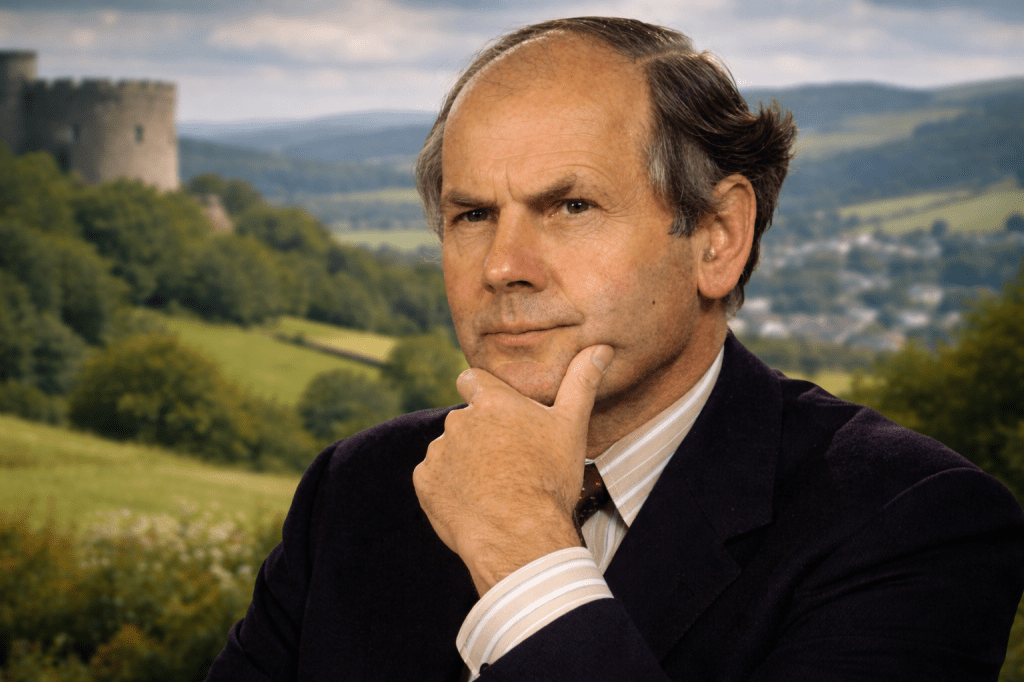
The Barrister Who Carried Welsh Liberalism Through Its Leanest Years In the long aftermath of Lloyd George, Welsh Liberalism did not collapse in a single dramatic moment. It thinned, election by election, chapel by chapel, until it seemed less a political force than a memory. Emlyn Hooson matters because he refused to accept that quiet…
-
Clement Davies (1884-1962)
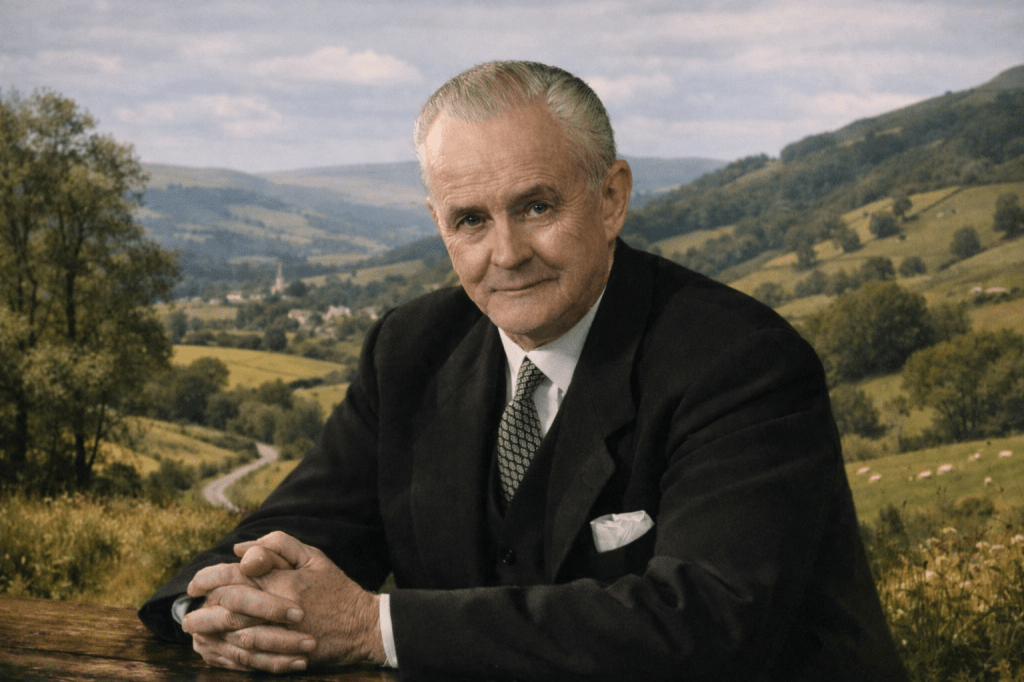
Montgomeryshire’s Last Liberal Statesman In the political history of rural Wales, certain figures stand not merely as representatives of constituencies but as embodiments of an older political culture. Clement Edward Davies, born 14 February 1884 and died 23 July 1962, belongs unmistakably to that tradition. Lawyer, parliamentarian, wartime critic, and ultimately leader of the British…
-
Robert Owen (1771-1858) of Newtown, Montgomeryshire
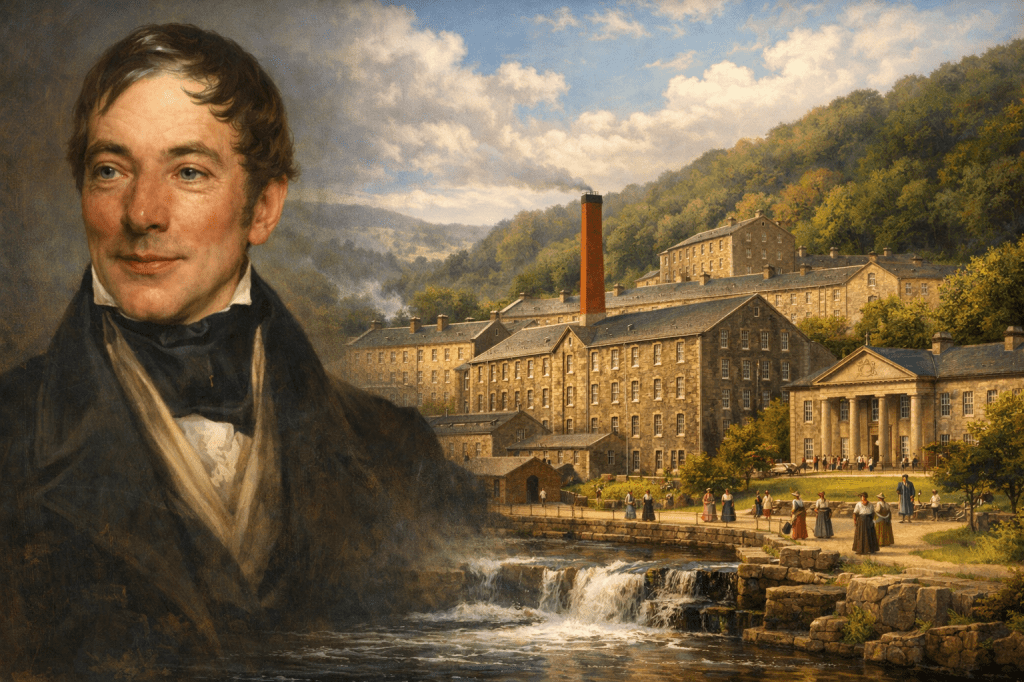
Industry, Community, and the Moral Reconstruction of Society Few individuals produced by rural Wales exercised an influence so disproportionate to their origins as Robert Owen (1771–1858) of Newtown. Born in a modest Montgomeryshire market town at the edge of upland Wales, Owen became one of the most consequential social thinkers of the Industrial Revolution, a…
-
David Gibson-Watt (1918-2002) of Doldowlod Hall
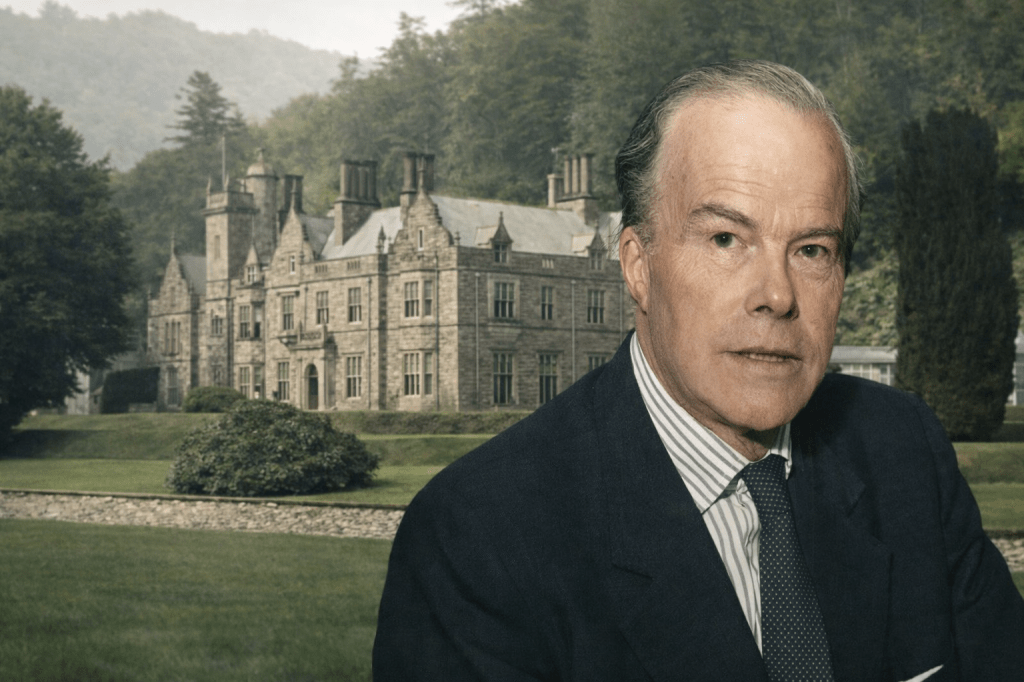
Land, Service, Unionism, and the Passing of a Governing Tradition in Mid-Wales James David Gibson-Watt, later Baron Gibson-Watt, occupies a distinctive position in the political and social history of twentieth-century Wales. He was not merely a Conservative politician associated with Radnorshire, but a representative of a governing culture rooted in landownership, military service, and paternal…
-
Owen Owen (1847-1910) of Machynlleth
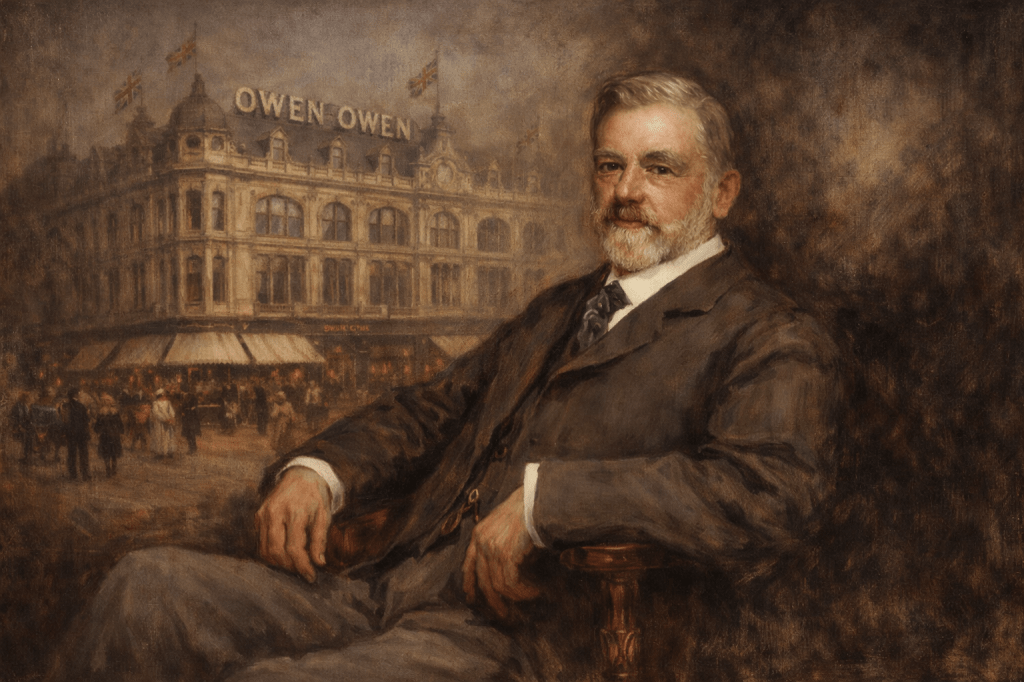
Retail, Respectability, and the Democratization of the High Street There is a recognisable Montgomeryshire pattern in the nineteenth century. Men formed in small, chapel-centred communities along the Dyfi valley stepped into the expanding commercial world of Britain and quietly reshaped it. Coal and rail have long dominated our understanding of Welsh industrial influence, yet modern…
-
David Davies (1818-1890) of Llandinam
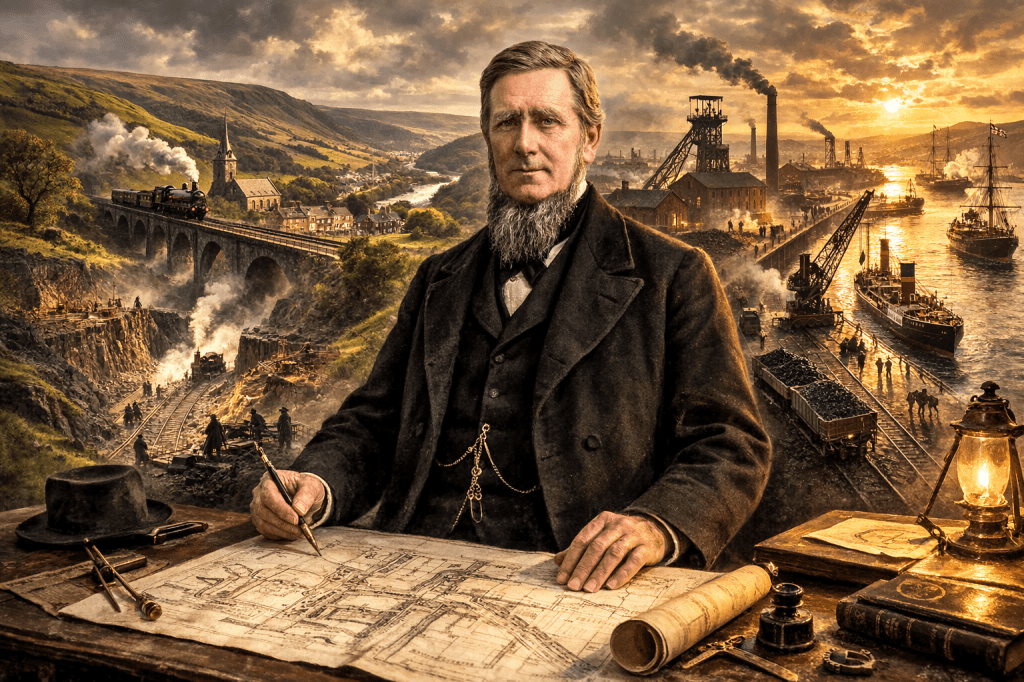
Industry, Faith, Infrastructure, and the Making of Modern Wales There are certain nineteenth-century Welshmen whose lives do more than illustrate personal success. They expose the structural transformation of a nation. David Davies of Llandinam belongs firmly in that category. Born in rural Montgomeryshire in 1818 and dying in 1890, Davies rose from sawyer and small…
-
Sir Pryce Pryce-Jones (1834–1920)
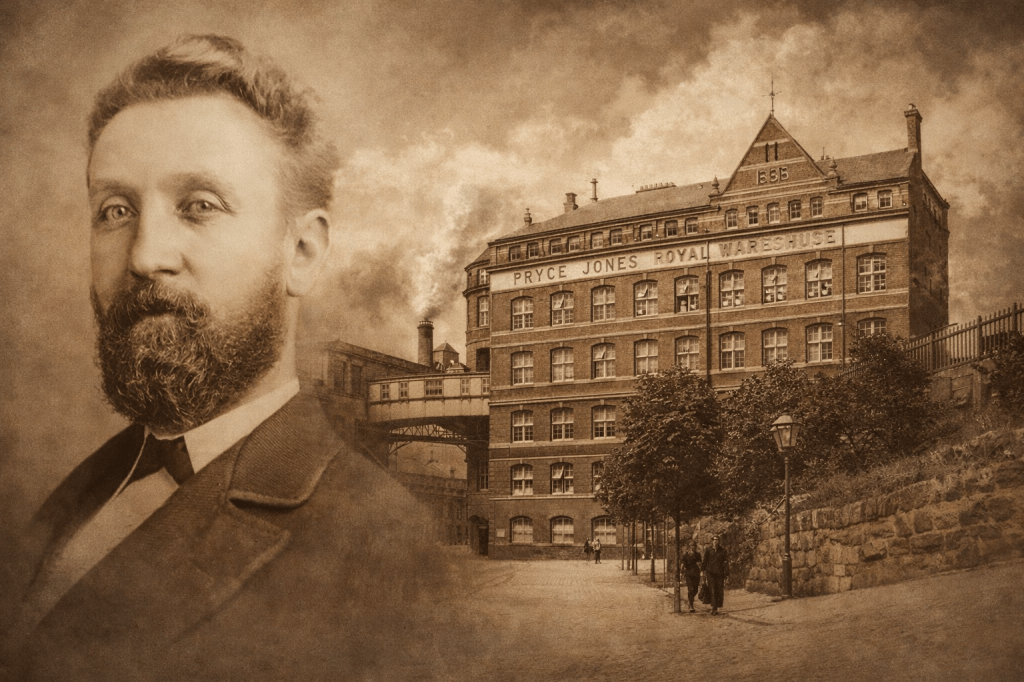
The Welsh Entrepreneur Who Engineered Distance from Newtown In the standard story of modern retail, innovation belongs to cities. Manchester industrialises production, London refines display, Liverpool masters distribution. Yet one of the most consequential changes in consumer life began not in a metropolis, but in Newtown, Montgomeryshire. From this small mid-Wales market town, Sir Pryce…
-
The Decline of Liberalism in Wales, and the Fracturing of Its Inheritance
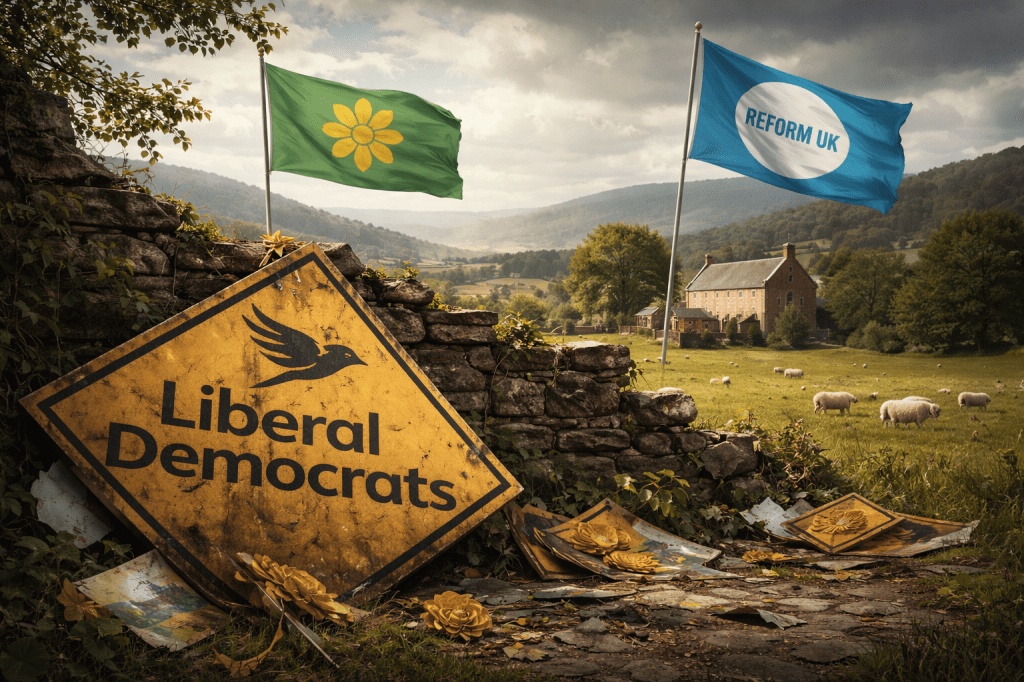
For more than a century, Liberalism in Wales was not merely a party label, it was the organising language of public life. It fused chapel morality, civic ambition, land reform, and a distinctly Welsh insistence on dignity into a durable political culture. (source 1) (source 2). Its decline, therefore, is not simply an electoral story,…
-
Trevor Owen Davies (1895–1966)
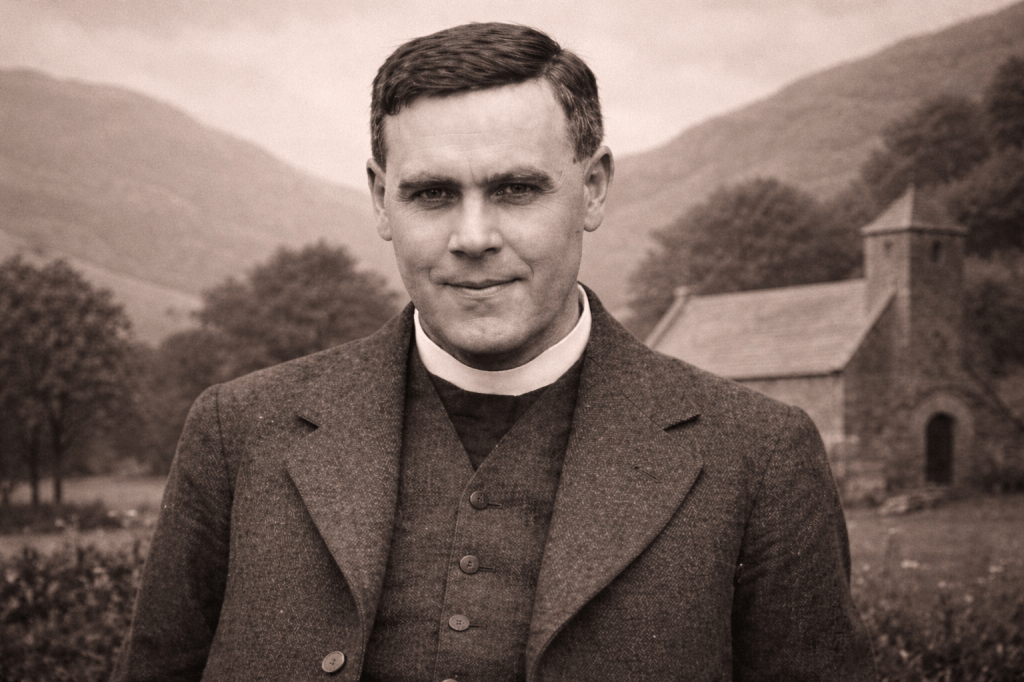
A Farm Boy at Christ Church, Oxford, A Welsh Scholar in Public Life In 1920s Oxford, the halls of Christ Church were filled with the sons of the English landed elite. Among them sat an unlikely figure: a farm labourer from the Dyfi Valley who had traded his plough for Augustine. Trevor Owen Davies was…

Antony David Davies FIoL FRSA FRAS AFRHistS MCMI
Welsh history, biography & cultural memory
