
Tag: History
-
Trevor Owen Davies (1895–1966)
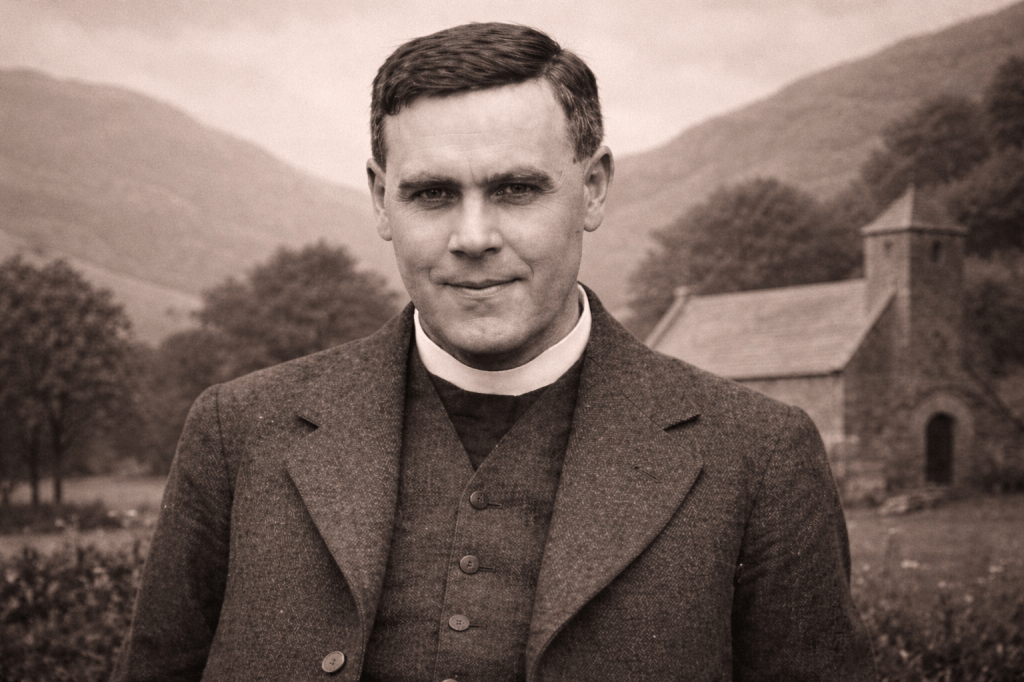
A Farm Boy at Christ Church, Oxford, A Welsh Scholar in Public Life In 1920s Oxford, the halls of Christ Church were filled with the sons of the English landed elite. Among them sat an unlikely figure: a farm labourer from the Dyfi Valley who had traded his plough for Augustine. Trevor Owen Davies was…
Antony David Davies
20th-century-wales, Augustine theology, BBC Religious Advisory Council, Brecknockshire history, Caeadda, Calvinistic Methodism, Christ Church Oxford, christianity, History, Justice of the Peace Wales, Llanwrin, llyfnant-valley, Machynlleth County School, Mid Wales history, Montgomeryshire, Oxford theology, Powys history, Presbyterian Church of Wales, Reformed theology, Rural Wales, Social history, Trefeca College, Trevecka College, Trevor O Davies, Trevor Owen Davies, University College Aberystwyth, Wales, Welsh biography, Welsh broadcasting history, Welsh chapel culture, Welsh clergy, Welsh education history, Welsh history, Welsh intellectual history, Welsh ministers, Welsh Nonconformity, Welsh Public Life, Welsh rural society -
When an English City Drowned a Welsh Village: Llanwyddyn and the Making of Lake Vyrnwy
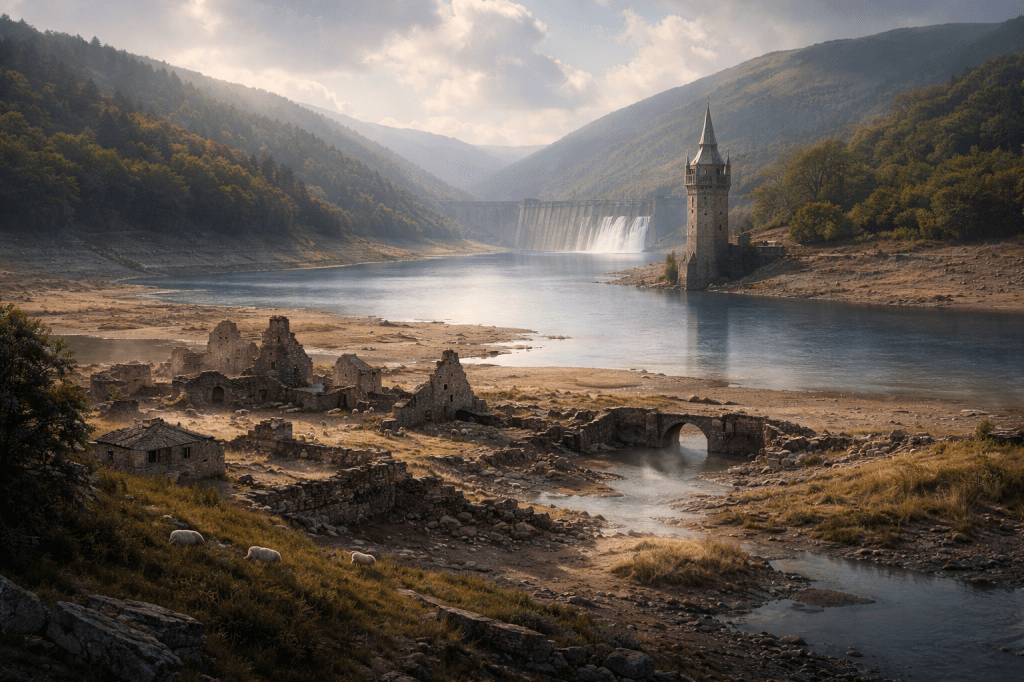
In the summer of 2018, after weeks of sustained heat, the waters of Lake Vyrnwy receded to levels rarely seen in recent decades (source 1). Along the exposed margins of the reservoir, fragments of masonry and faint outlines of foundations emerged from the silt, traces of lanes and walls briefly visible once more (source 1).…
Antony David Davies
adventure, books, Capel Celyn, drowned villages, extractive economy, Gothic Revival architecture, History, infrastructure and power, Lake Vyrnwy, Liverpool Corporation Waterworks Act 1880, Liverpool waterworks, Llanwyddyn, lost villages UK, montgomeryshire-history, nineteenth century Wales, Powys history, public health reform, resource extraction Wales, rural parish life, social history of Wales, St Wyddelan, submerged communities, travel, Tryweryn, upland communities, Victorian engineering, victorian-wales, Wales, water politics, Welsh Chapels, Welsh heritage, Welsh industrial history, Welsh landscape history, Welsh Nonconformity, Welsh-English relations, welsh-rural-history -
Voices from the Uplands, why I wrote it, and why it matters now
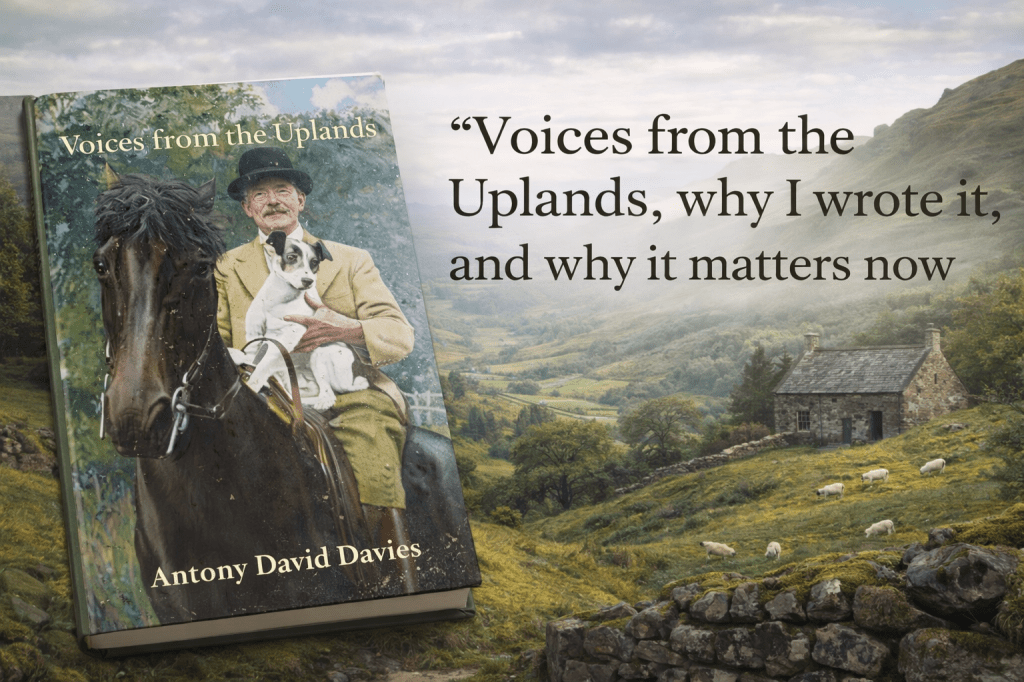
Voices from the Uplands: The Davies Family and the Soul of Rural Wales is, in the simplest sense, a book about my own ancestors, the Davies family of Caeadda, Llanwrin. But I did not write it to produce another neatly ordered pedigree, nor to add one more family tree to the growing pile of genealogical summaries…
Antony David Davies
agricultural history, book-review, books, Chapel culture, Community history, Cultural heritage, diaries, domestic archives, Family archives, family history, Genealogy, Heritage preservation, Historical memory, History, letters, Llanwrin, Local history, Machynlleth, Microhistory, Montgomeryshire, Nonconformity, Oral history, photographs, Powys, Public history, Rural Wales, Social history, Wales, wales rural life, Welsh Chapels, welsh farming, Welsh history, Welsh identity, Welsh language, Welsh uplands -
Brexit and the Broken Thread of Trust: Why Britain is Stuck in a Loop of Instability

Brexit, whatever your vote, did real damage to trust. Not simply because it divided the country, but because it exposed something more corrosive than disagreement, a political system that struggled to hear its own people, then proved unable to manage the consequences of the decision it had itself offered. Millions felt unheard before the referendum,…
Antony David Davies
BBC cuts, Boris Johnson, Brexit, British democracy, British political culture, citizens’ assemblies, Conservative Party, constitutional crisis, cost of living crisis, David Cameron, decline of mainstream media, democratic reform, devolution in England, Electoral reform, GB News, GP appointments, History, inflation, Keir Starmer, Labour Party, Liz Truss, media sensationalism, news, NHS waiting lists, Nigel Farage, political instability, political leadership, political polarisation, political trust, Politics, populism in Britain, Public transport, Reform UK, Rishi Sunak, social media and politics, Theresa May, trust in politics, UK elections, UK politics, voter disillusionment, Westminster bubble -
The Marcher Lords, the Private Warlords Who Invented Border Brutality
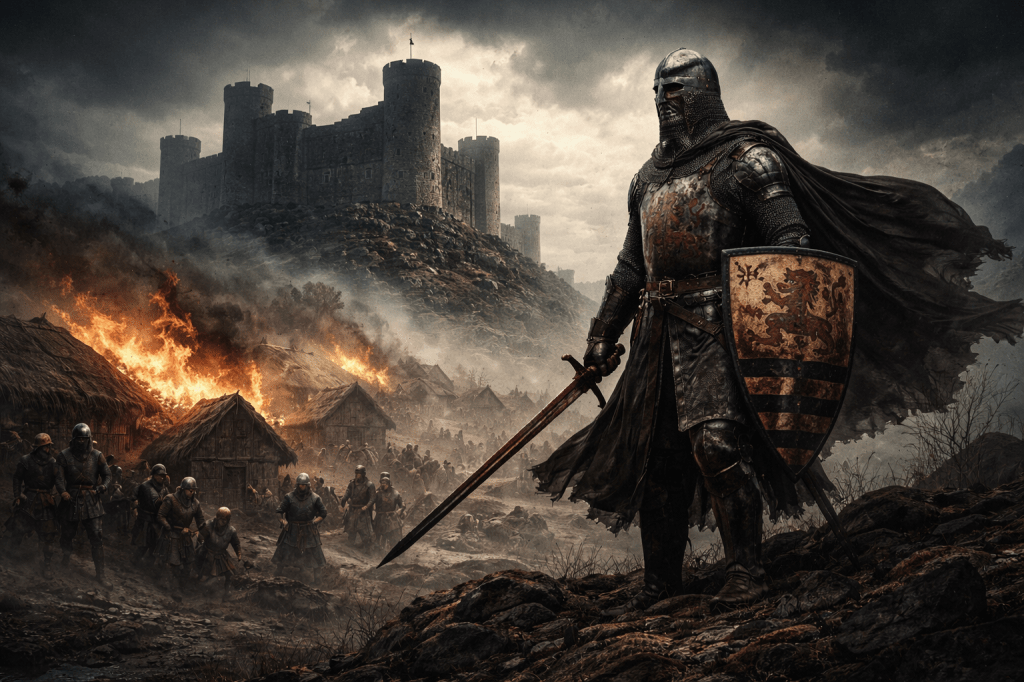
There is a particular kind of violence that flourishes on borders. Not the open violence of battlefield armies, marching under banners and accountable, at least in theory, to a crown or parliament. But the private violence of semi-autonomous men, installed at the edge of a realm, given licence to do what the centre cannot openly…
Antony David Davies
Anglo-Welsh border, Border brutality, Borderlands, British history, Caerphilly Castle, Castles, Colonialism, Conquest of Wales, Cyfraith Hywel, de Braose, Edward I, england, Feudalism, Frontier societies, Historical geography, History, Hywel Dda, Ludlow Castle, Marcher Lords, Massacre of Abergavenny, Medieval Britain, Medieval politics, Medieval Wales, Medieval warfare, medieval-history, Mortimer family, Norman conquest, Power and violence, State power, travel, Wales, Wales and England, Welsh castles, Welsh history, Welsh identity, Welsh law, Welsh Marches -
The Treachery of 1847: How the “Blue Books” Colonised the Welsh Mind
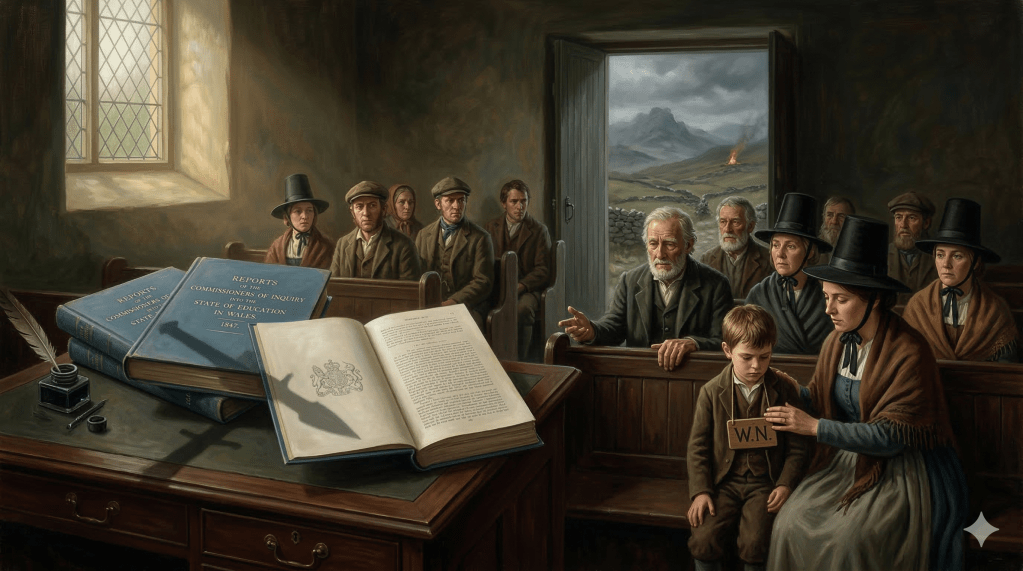
In 1847 three substantial parliamentary reports were laid before Westminster under the unromantic title Reports of the Commissioners of Inquiry into the State of Education in Wales. Their blue covers gave them their enduring popular name, the “Blue Books”, and their conclusions, or at least the spirit in which those conclusions were delivered, detonated across…
Antony David Davies
19th-century-wales, anglicisation, Blue Books 1847, books, Brad y Llyfrau Gleision, British state and Wales, Chapel culture, class and respectability, cultural assimilation, cultural colonisation, cultural trauma, Cymraeg, education, education in Wales, gender and nationhood, heritage and identity, Historical memory, History, history of Wales, industrial Wales, internalised oppression, language shift, language suppression, Nonconformity, parliamentary inquiry, Politics, politics of language, postcolonial Wales, psychological colonisation, Rebecca Riots, Reports of the Commissioners of Inquiry 1847, Rural Wales, social reform, Victorian morality, victorian-wales, Wales and England relations, Welsh Chapels, Welsh culture, Welsh devolution context, Welsh education history, Welsh history, Welsh identity, Welsh language, Welsh nationalism, Welsh women, writing -
The Mid Wales Railway, The Lost Spine of a Divided Nation
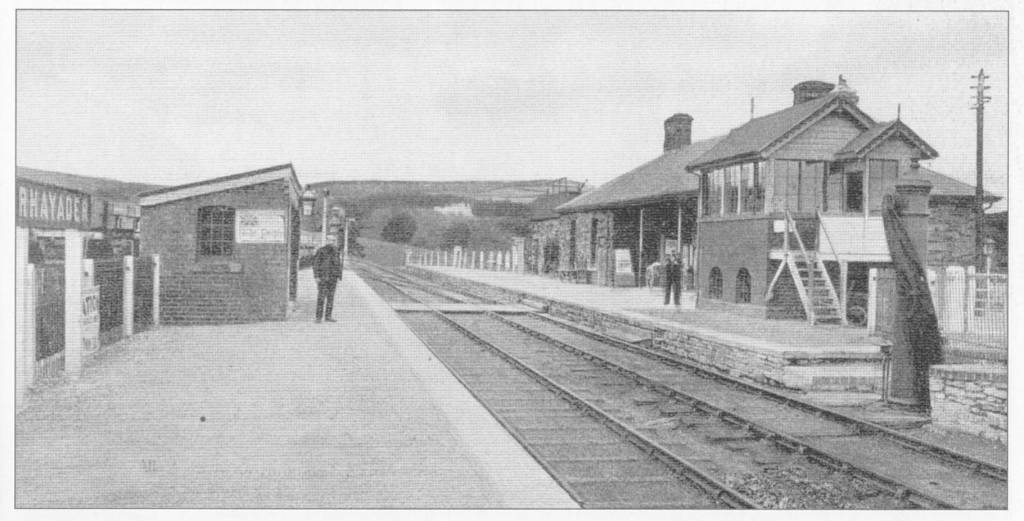
There are places in Wales where the landscape still feels like an argument. Not in the sense of conflict, but in the way it insists upon its own logic, steep, stubborn, beautiful, and not designed to make life easy for those who live within it. Mid Wales is one of those places. It is a…
Antony David Davies
1960s rail closures, adventure, Beeching cuts, Brecon, Breconshire, Builth Road, Cambrian Line, Connectivity, europe, Heart of Wales Line, Hereford Hay and Brecon Railway, History, Llandinam, Llanidloes, Mid Wales, Mid Wales Railway, Moat Lane Junction, North south Wales, Powys, Public transport, Radnorshire, Rail tourism, Railway history, Regional inequality, rhayader, Rural bus services, Rural Wales, Talyllyn Junction, Three Cocks Junction, Transport history, travel, Wales, Welsh economy, Welsh history, Welsh identity, Welsh infrastructure, Welsh railways, Welsh tourism -
William Williams Pantycelyn (1717–1791), The Voice of the Welsh Revival and the Making of a Singing Nation
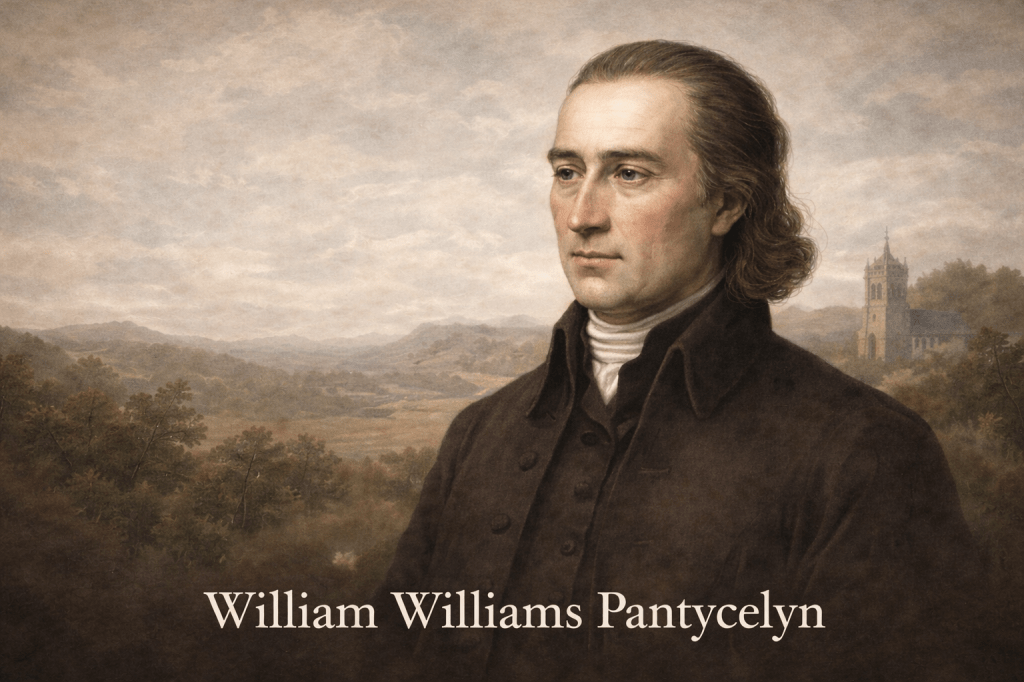
In my earlier essays on Daniel Rowland, the great evangelist of the Welsh Methodist Revival, and Howell Harris, the organiser and engine who turned revival into a disciplined movement, I explored two forms of power that shaped modern Wales. The first was the power of the pulpit, preaching as national event, the sermon as moral…
Antony David Davies
18th century Wales, bible, Calvinistic Methodists, Carmarthenshire, Chapel culture, christianity, congregational singing, Daniel Rowland, evangelical revival, faith, History, Howell Harris, jesus, Llandovery, Llangeitho, Methodist Revival, Nonconformist Wales, Pantycelyn, revival hymns, Sunday schools, Trefeca, Welsh Calvinistic Methodism, Welsh chapel history, Welsh culture and identity, Welsh devotional literature, Welsh evangelicalism, Welsh hymnody, Welsh hymns, Welsh language, Welsh literature, Welsh Methodist Revival, Welsh national identity, Welsh Nonconformity, Welsh poets, Welsh preaching, Welsh religious history, Welsh singing tradition, Welsh Social History, Welsh spirituality, William Williams, William Williams Pantycelyn -
Howell Harris (1714–1773), The Engine of the Welsh Revival and the Birth of an Evangelical Wales
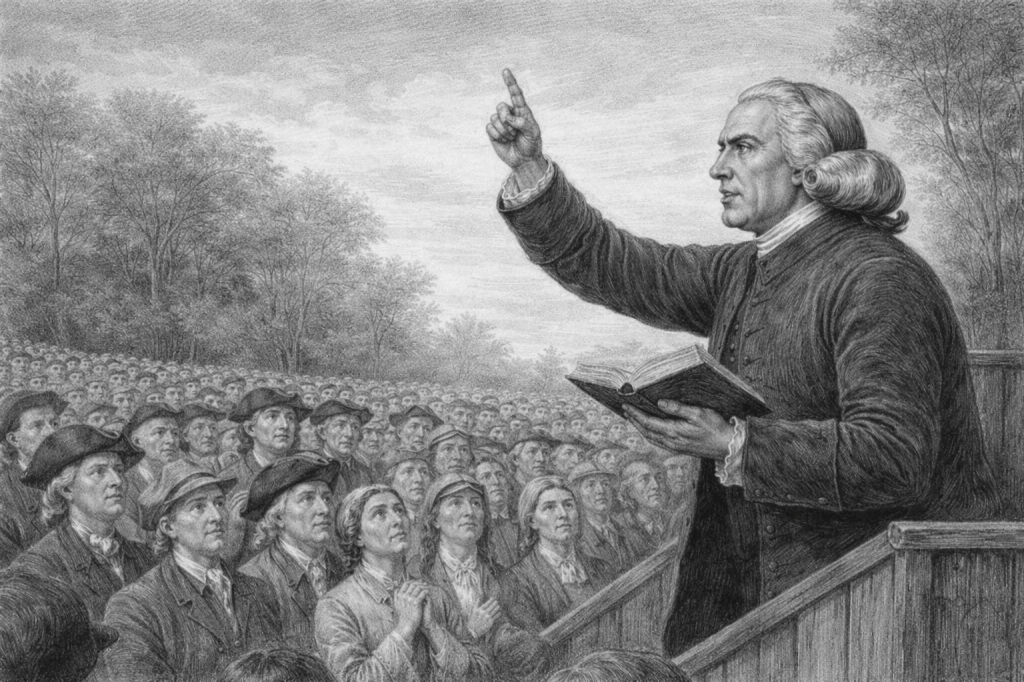
This article follows my recent study of Daniel Rowland (1713–1790), the great evangelist of the Welsh Methodist Revival and one of the defining architects of modern Welsh Nonconformity. If Rowland represents the revival at its most visible, the pulpit phenomenon, the national preacher, the man whose sermons drew thousands, then Howell Harris must be understood…
Antony David Davies
18th century Wales, bible, Brecknockshire, Breconshire, Calvinistic Methodists, chapel societies, christianity, church, Church of England in Wales, Daniel Rowland, evangelical revival, History, Howell Harris, jesus, lay preaching, Llangeitho, Methodist Revival, Nonconformist Wales, religious societies, revival preaching, Sunday School Movement, Talgarth, Trefeca, Welsh Calvinistic Methodism, Welsh chapel history, Welsh culture and identity, Welsh evangelicalism, Welsh hymnody, Welsh language and religion, Welsh Methodist Revival, Welsh moral culture, Welsh Nonconformity, Welsh preaching, Welsh Protestantism, Welsh religious history, Welsh Social History, Welsh spirituality, William Williams Pantycelyn -
Daniel Rowland (1713–1790), The Great Evangelist of Wales, and the Making of Modern Welsh Nonconformity
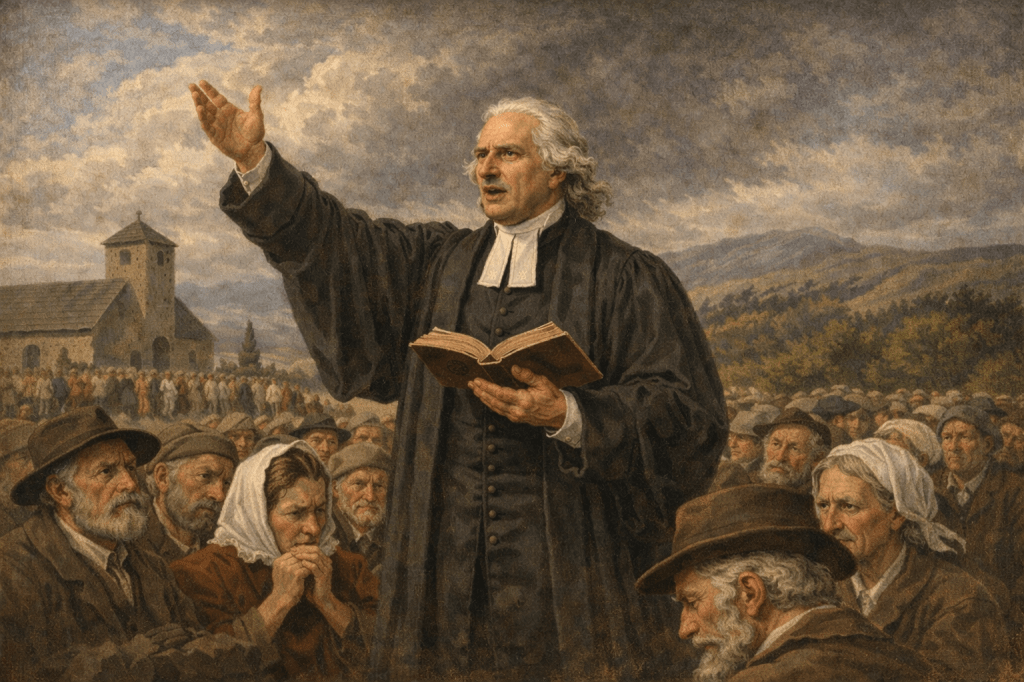
There are certain names in Welsh religious history which do not merely belong to their century, they reshape the centuries that follow. Daniel Rowland of Llangeitho is one of those figures. In the eighteenth century, when Wales was still largely rural, linguistically distinct, and socially conservative, Rowland became the most powerful preacher the nation had…
Antony David Davies
18th century Wales, bible, Calvinism in Wales, Cardiganshire history, Ceredigion history, christianity, Daniel Rowland, evangelical revival, faith, History, history of Christianity in Wales, Howell Harris, jesus, Llangeitho, Methodist History, religion and society, Rural Wales, social history of Wales, the Welsh pulpit, Trevecca, Wales in the eighteenth century, Welsh Calvinistic Methodism, Welsh Chapels, Welsh Communities, Welsh culture, Welsh history, Welsh hymnody, Welsh identity, Welsh language, Welsh Methodist Revival, Welsh ministers, Welsh Nonconformity, Welsh preaching, Welsh religious history, Welsh spirituality, William Williams Pantycelyn
